


Our Approach
Curriculum
We teach The Creative Curriculum through play. Children create, ask questions, and build confidence at their own pace, guided by teachers who plan with intention. We are more than just a daycare. As a preschool, all of our activities are focused on preparing your child for kindergarten.

A Four-Star Rated License
North Carolina rates licensed centers on a one to five star scale, scored on program standards and the education level of the staff running the classrooms. Falls Academy holds four stars, a testament to our commitment to excellence in curriculum and hiring. Every lead teacher carries an NC Early Childhood Credential or higher, and every teacher completes assigned training hours each year on everything from safe sleep practices to managing stress in the classroom.


What Children Learn
These seven subjects are woven into each day's activities so your child is ready for kindergarten. We build these subjects into daily life, beyond dedicated learning time, through conversation, outdoor play, and exploration.
Language and Literacy
Storytime, conversation, songs and rhymes, letter recognition, early writing, and vocabulary that grows week over week.
Mathematics
Counting, sorting, measuring, patterns, shapes, and comparing quantities, worked out during play instead of at a desk.
Science
Exploring nature, watching the weather, running small experiments, and chasing down cause and effect with open-ended questions.
Social Studies
Families, communities, cultures, and traditions, with respect for difference built in from the beginning.
Social and Emotional Growth
Sharing, taking turns, naming and managing big feelings, building friendships, and working through conflict with words.
Physical Development
Fine motor skills through art, puzzles, and manipulatives. Gross motor skills through climbing, running, and outdoor play.
Creative Arts
Painting, drawing, music, dance, dramatic play, and the kind of open-ended making that has no right answer.
A Day Here
Our daily schedule is the same every day, allowing your children to settle in and feel comfortable so that they can fully focus on play and learning.
Arrival and Breakfast
6:30 AM
Doors open early. Children settle in, greet their teachers, and eat breakfast together before the day gets going.
Small Group Time
Teachers work with a few children at a time on a focused skill, which is where individual needs get met.
Learning Centers
Children choose where to work: art, blocks, books, dramatic play, science, and manipulatives.
Outdoor Play
45 min, twice daily
Two full outdoor blocks a day, weather permitting, on playgrounds separated by age group.
Lunch
One of three meals included in tuition, served in the classroom.
Rest Time
12:00 to 3:00
A quiet stretch in the middle of the day. Infants keep their own schedules for feeding and sleeping.
Snack and Afternoon Learning
A second round of centers, small groups, and activities after everyone is up and fed.
Departure
Until 6:00 PM
Pickup runs late enough to cover most work schedules.


Our Classrooms
Six classrooms, each staffed by two teachers. Children move up based on development and readiness rather than just a birthday.
Infants
6 weeks to 12 months
1:5 teacher-to-child ratio
Babies follow their own rhythm for feeding, sleeping, and play. Caregivers are ITS/SIDS certified and get to know each baby closely enough to read what they need before they can ask.
- Sensory exploration
- Language and bonding
- Safe sleep practices
Sesame Street
Toddlers · 12 to 24 months
1:6 teacher-to-child ratio
Newly mobile toddlers get a room built for movement. Days are hands-on and predictable, which is what this age needs while independence arrives faster than language does.
- First words
- Fine motor skills
- Daily routines
Mickey Mouse
Twos · 2 to 2½ years
1:9 teacher-to-child ratio
Twos start choosing their own learning centers and practicing the social side of a group: waiting, sharing, and using words when something goes wrong.
- Learning centers
- Taking turns
- Vocabulary
Dr. Seuss
Threes · 2½ to 3½ years
1:10 teacher-to-child ratio
Threes move into longer projects, more involved dramatic play, and the first real work on letters, counting, and handling self-care routines on their own.
- Letter recognition
- Counting and sorting
- Self-care routines
The Muppets
Fours · 3½ to 4½ years
1:11 teacher-to-child ratio
Children must be potty trained for this classroom.
The step up from Dr. Seuss, for children who are potty trained and ready for more. Early writing, phonological awareness, and cooperative projects that take more than one day to finish.
- Early writing
- Phonological awareness
- Cooperative projects
Pre-K
4½ to 5 years
1:12 teacher-to-child ratio
The last year before kindergarten. Children manage their own belongings, follow multi-step directions, and build the reading, writing, and math foundation they will walk in with.
- Kindergarten readiness
- Early reading
- Independence
Ready for Kindergarten
Kindergarten readiness is not something we begin in their last year. Preparedness is built into every classroom from the first day they arrive at our academy.
Early literacy every day
Daily reading, phonological awareness, and writing activities, starting long before Pre-K.
Motor skills
Art and manipulatives for small hands, outdoor play and music and movement for everything else.
Real independence
Children manage their own belongings, handle self-care routines, and finish age-appropriate tasks on their own.
Progress that gets checked
Ongoing observation and assessment so a child who needs more support gets it while there is still time.
Keep Tabs on Their Day
We use Procare, so photos, meals, naps, diaper changes, and daily notes arrive on your phone as they happen. You can message your child's teacher or the front office directly from the app, without waiting until pickup to hear how things went.
See It in Action
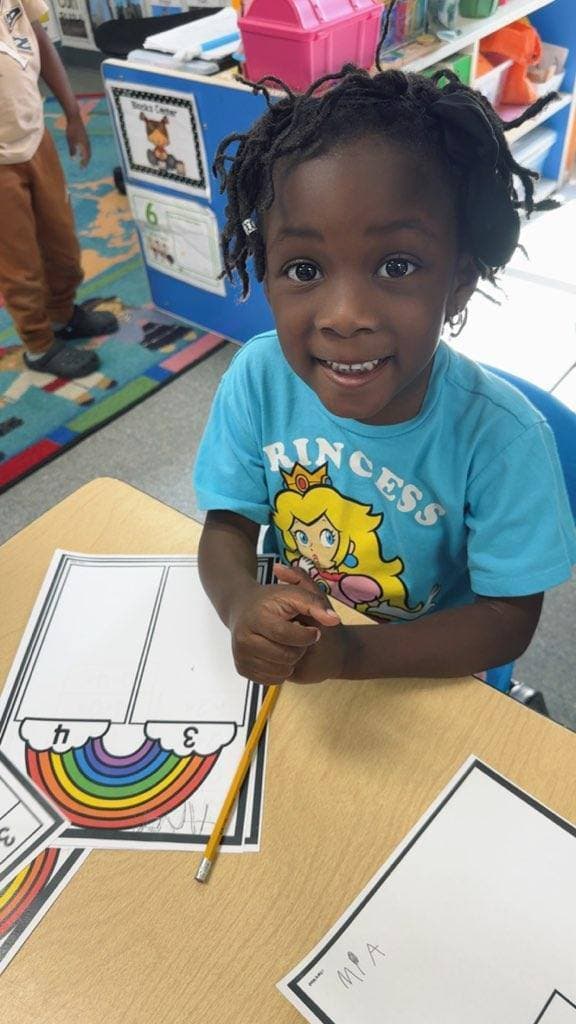
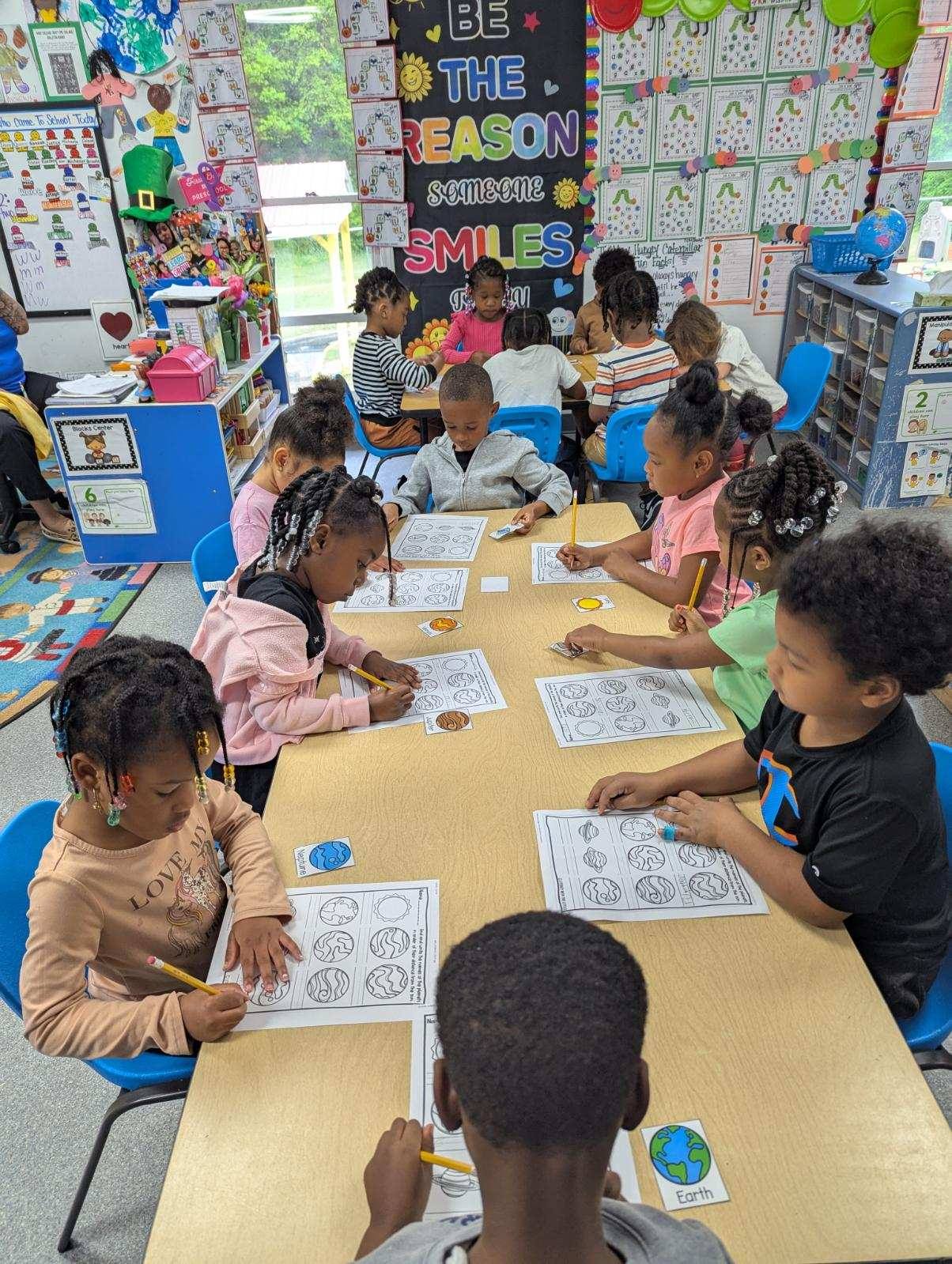
Tours run during the school day so you can see our curriculum in action: talk with the teacher, watch a typical morning, and bring your child along.
Book a Tour